
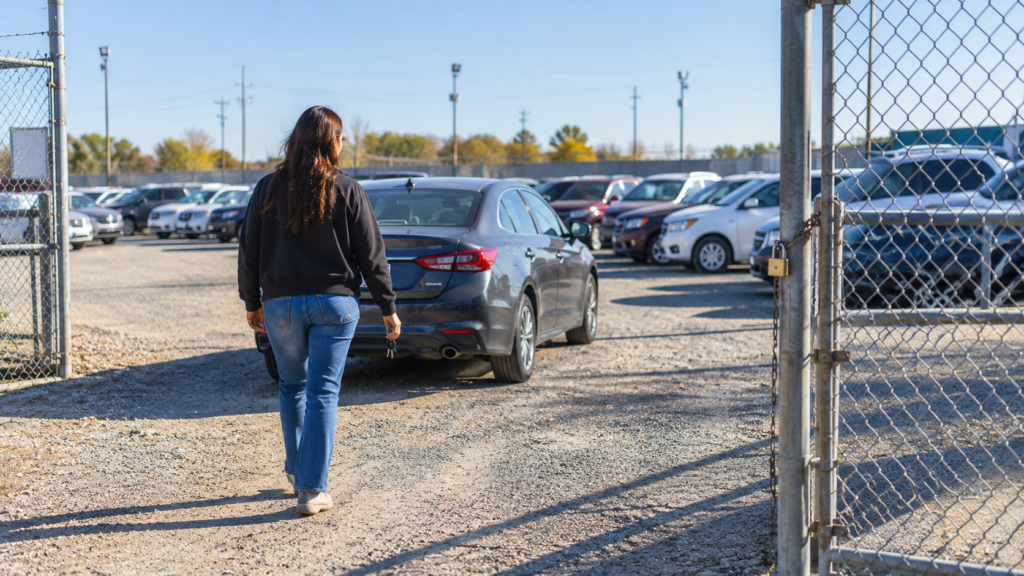
Coming back to an empty parking spot is disorienting for a second – was it stolen, or towed? If you parked on private property in New Jersey – an apartment lot, a retail lot, someone’s driveway – and your car is gone, towing is the more likely answer. New Jersey actually has fairly specific rules around when a private property can legally tow a vehicle, which means you have more to work with than you might think. Here’s how to sort it out, step by step.
Step 1: Confirm It Was Actually Towed, Not Stolen
Before anything else, rule out theft. Look around for a posted “tow-away” sign near where you parked. Under New Jersey law, a property can’t have your vehicle towed without your consent unless the owner has a signed contract with a towing company and has posted a sign meeting specific requirements – the law actually spells out a minimum sign size (36 inches by 36 inches) so it can’t be hidden or easy to miss. If there’s a compliant sign posted and your car is missing, towing is almost certainly what happened.
No sign at all, and no notice left where you parked? That’s worth a call to local police to rule out theft before you spend time chasing down a tow that may not have happened.
Step 2: One Important Exception Worth Knowing
New Jersey’s private property towing law doesn’t apply to every property type the same way. Vehicles parked on a lot with a single-family home, or an owner-occupied building with six units or fewer, generally fall outside the standard non-consensual towing rules – as does a vehicle blocking someone’s driveway or garage entrance. If you were towed from one of these situations, the process and your options may look a little different than a large apartment complex or retail lot tow, so it’s worth keeping that distinction in mind if you’re trying to figure out your options.
Step 3: Find Out Who Towed It
Towing companies performing private property tows in New Jersey are required to notify police when they tow a vehicle, which makes your local police non-emergency line one of the fastest ways to find out who has your car and where it went. The posted sign at the lot (if there is one) is also required to include contact information for the towing company, so check there first if you’re still at the scene.
Step 4: Know Your Curbside Release Right
Here’s something a lot of drivers don’t realize: if you catch the tow in progress – meaning your vehicle has been hooked or lifted but hasn’t actually left the property yet – New Jersey law gives you the right to have it released on the spot rather than letting the tow proceed. If you walk out just as the truck is hooking up your car, it’s worth speaking up immediately rather than assuming it’s too late.
Step 5: Gather What You’ll Need to Get It Back
Once you’ve located the vehicle, most tow lots will ask for:
- A valid photo ID
- Proof of ownership or current registration
- Payment for the tow and any accumulated storage fees
Ask for an itemized breakdown of fees before you pay. Storage fees typically accrue by the day, so the total can climb the longer a vehicle sits unclaimed – another reason it’s worth acting quickly once you know where your car is.
Step 6: Know When a Tow Might Be Disputable
New Jersey lawmakers created these towing rules specifically because of past problems with predatory towing practices – unwarranted or excessive fees, and vehicles towed from lots with no visible warning signs at all. If the lot where you parked had no compliant signage, or the towing company can’t produce a valid property contract when asked, you may have real grounds to dispute the tow or the charges. A legitimate towing company should be able to show documentation on request; if they can’t or won’t, that’s worth raising directly with them, and if it goes unresolved, with the New Jersey Division of Consumer Affairs.
If You’re on the Other Side of This
If you’re a property owner or manager dealing with a vehicle that shouldn’t be on your lot, the process looks different – signage, a signed authorization, and proper documentation are required before a tow is valid. Our private property towing page walks through what’s involved from the property owner’s side.
Frequently Asked Questions
How long can a towing company hold my car before it’s sold or scrapped? This varies by lot policy and local rules rather than a single statewide number, but storage fees generally accrue daily, so retrieving your vehicle sooner rather than later is almost always the cheaper option.
Can I get my belongings out of the car before paying in full? Policies vary by tow lot. It’s worth asking directly when you call – many lots will allow access to personal items, especially essentials like medication, ID, or a car seat.
What if I think the tow was illegal? Ask the towing company for their signage compliance and property contract documentation. If they can’t produce it, you may have grounds to dispute the tow with the company directly or escalate to the New Jersey Division of Consumer Affairs.
Does it matter if I was only parked there for a few minutes? Generally no – if the property has compliant signage and a valid towing contract, the amount of time parked usually isn’t a factor in whether the tow itself was valid, though it may be worth raising if you believe the tow was excessive under the circumstances.
What’s the fastest way to find out where my car was towed? Check for a posted sign at the lot first – it’s legally required to list the towing company’s contact information. If there’s no sign or you can’t find it, your local police non-emergency line can usually point you in the right direction, since towing companies are required to notify police of private property tows.
Need Help Sorting It Out?
If you’re dealing with a towed vehicle in the Forbes Transport service area and aren’t sure where to start, call (862) 707-2535 and we can help point you in the right direction.
Leave a Reply